
 Pasteurized Natural Food
 Sensory Toys
 The most acclaimed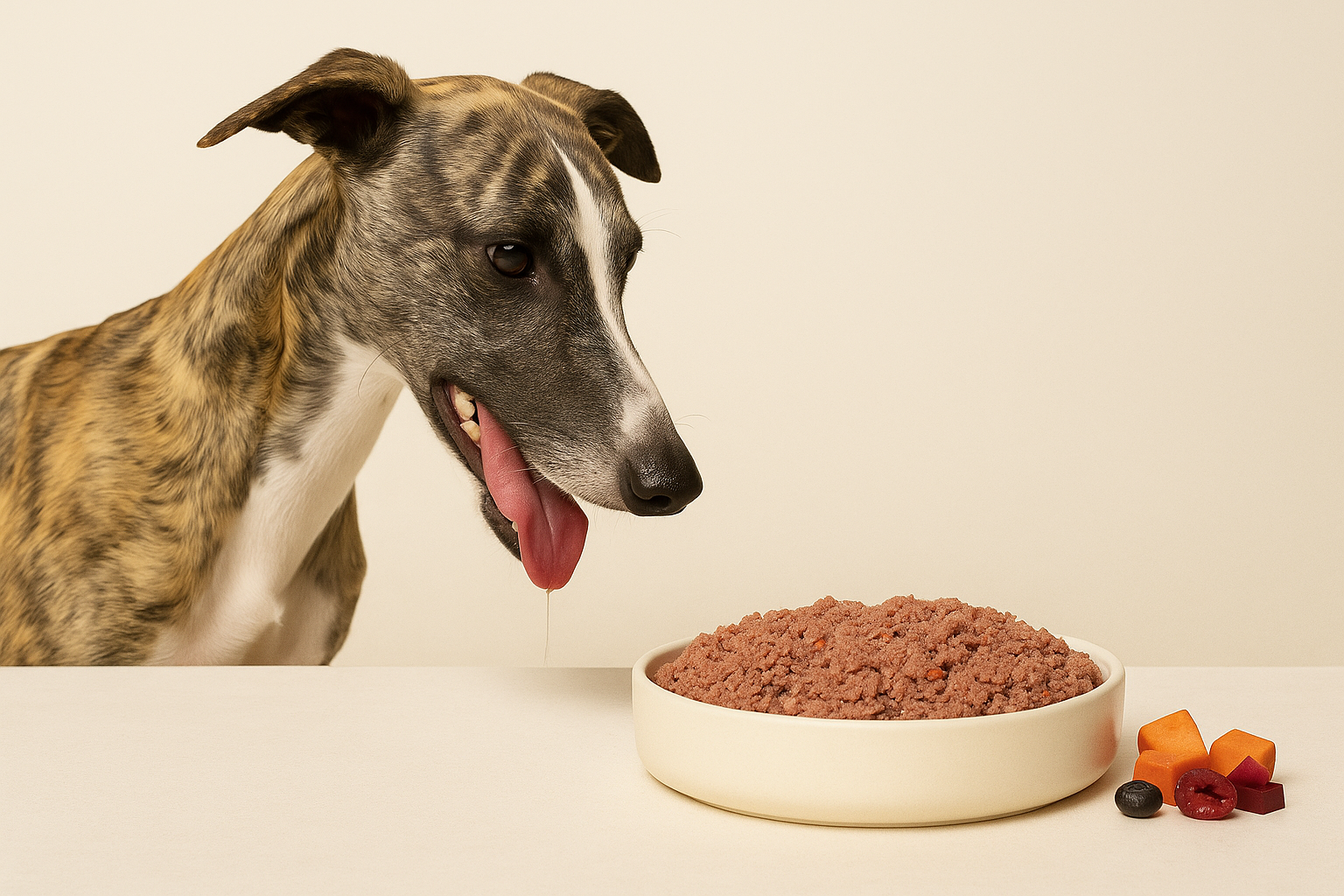
A dog's digestive system is much more than a kibble-processing machine. Its physiology, dental structure, and enzyme composition reveal a truth we sometimes forget: dogs are designed to eat real food . In this Bark Blog, we explore what makes their digestive system so special and why natural food isn't just a trend, but a necessity.
2. Saliva without amylase: key in protein digestion: Unlike humans, dogs' saliva does not contain amylase, the enzyme responsible for initiating carbohydrate digestion. This confirms that their digestive system is much better adapted to digesting proteins and fats than grains or plant byproducts.
3. Powerful acidic stomach: The pH of a fasting dog's stomach can reach levels of 1 to 2, allowing it to dissolve meaty bones and eliminate bacteria present in raw food. This acidity is a natural protective mechanism and clear evidence that dogs are prepared to digest fresh food.
4. Short intestinal transit: efficiency over volume: Dogs have a proportionally shorter intestine than humans or herbivores. This means their bodies are designed to quickly absorb nutrients from dense foods, such as meat, organs, and fresh vegetables. Ultra-processed diets, full of fillers, slow down and disrupt this natural process.
5. The evidence in practice: more energy, better coat, less stool: When a dog eats natural food, its body responds . Digestibility improves, waste decreases, energy increases, and immune function is optimized. It all starts with giving the body what it can actually process.
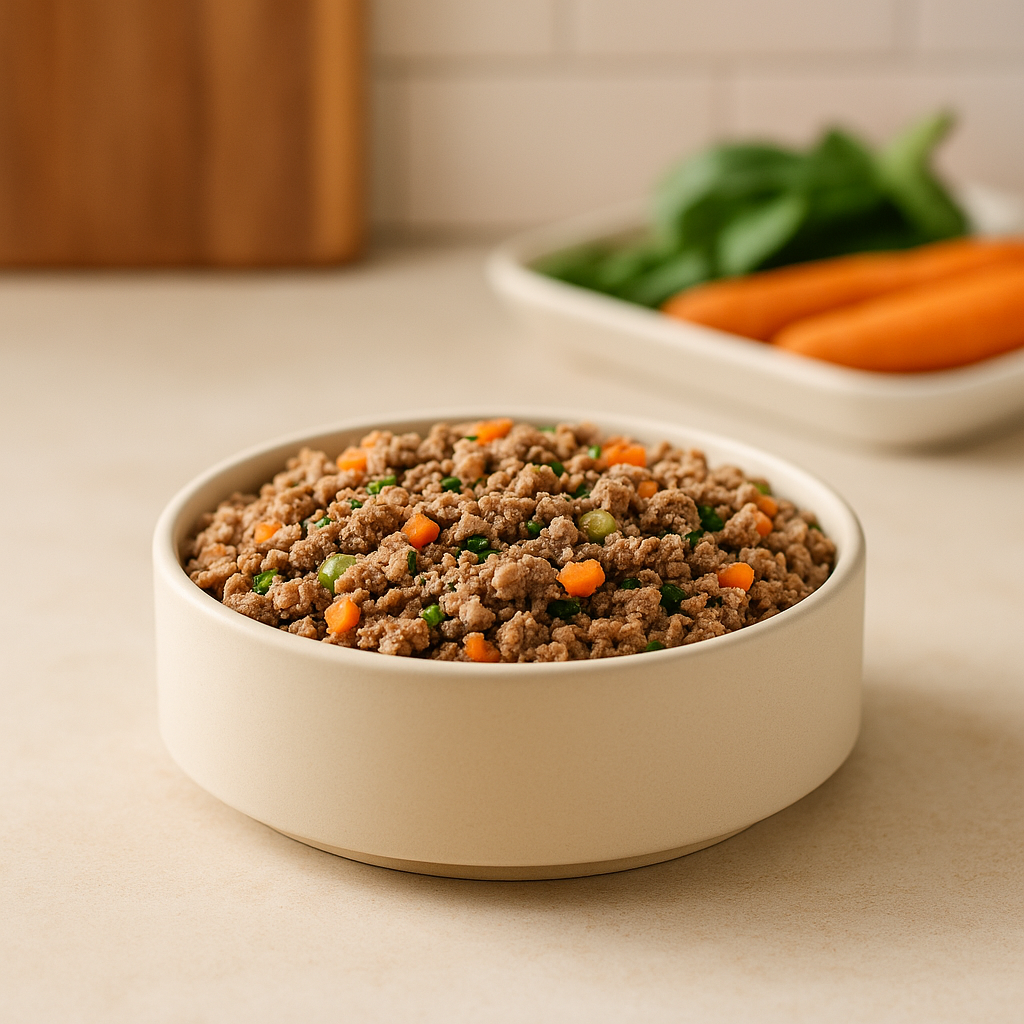
A dog's digestive system hasn't changed as much as commercial dog food. Understanding its biology is the first step to feeding it better . At Whole Bark, we develop our recipes with this in mind: respecting the nature of its system to nourish it in a functional and natural way .
Discover our raw and cooked product lines, and take the first step towards eating in a way that makes sense for your body.
Share:
Carrots and beets in the BARF diet: key benefits for your dog
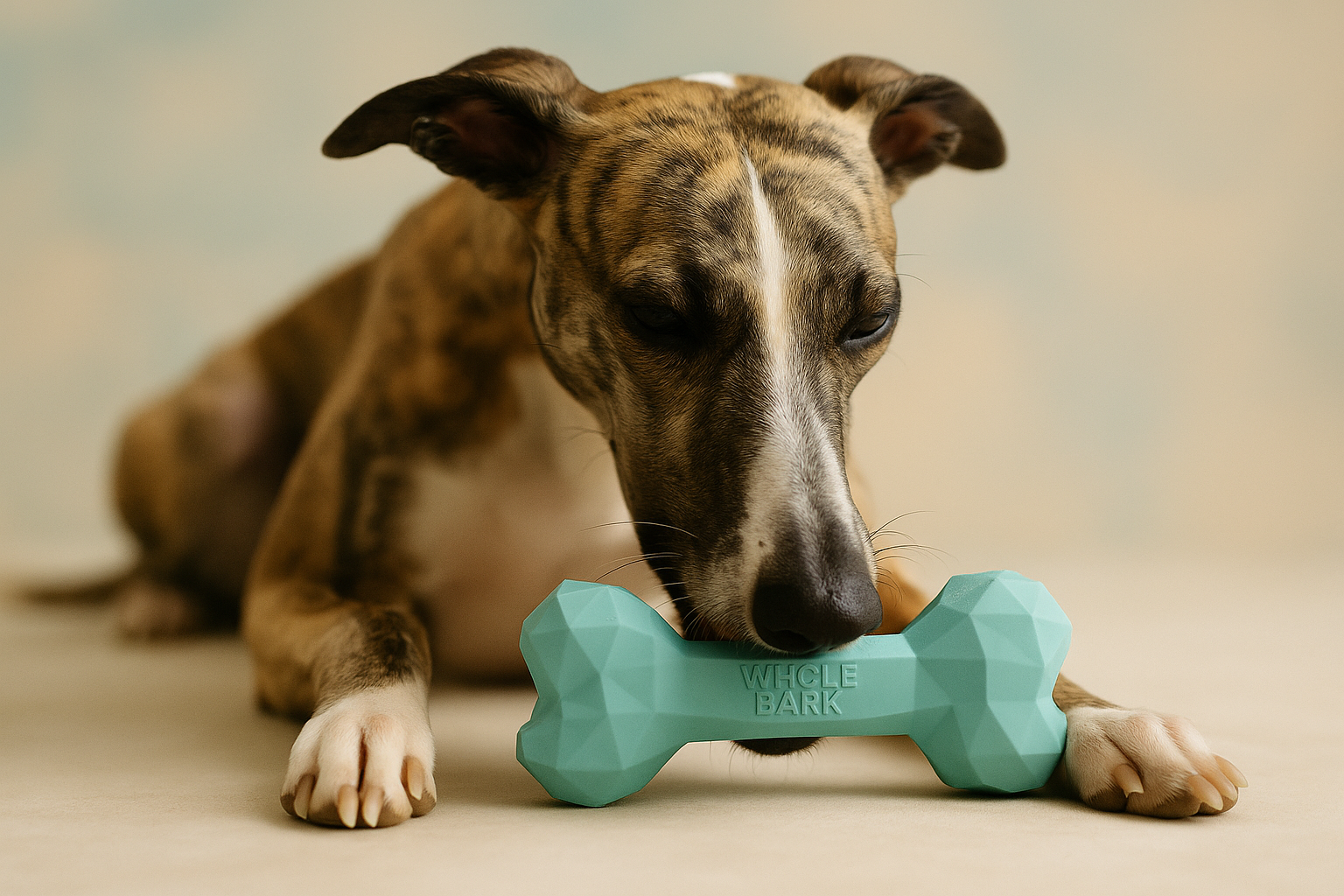
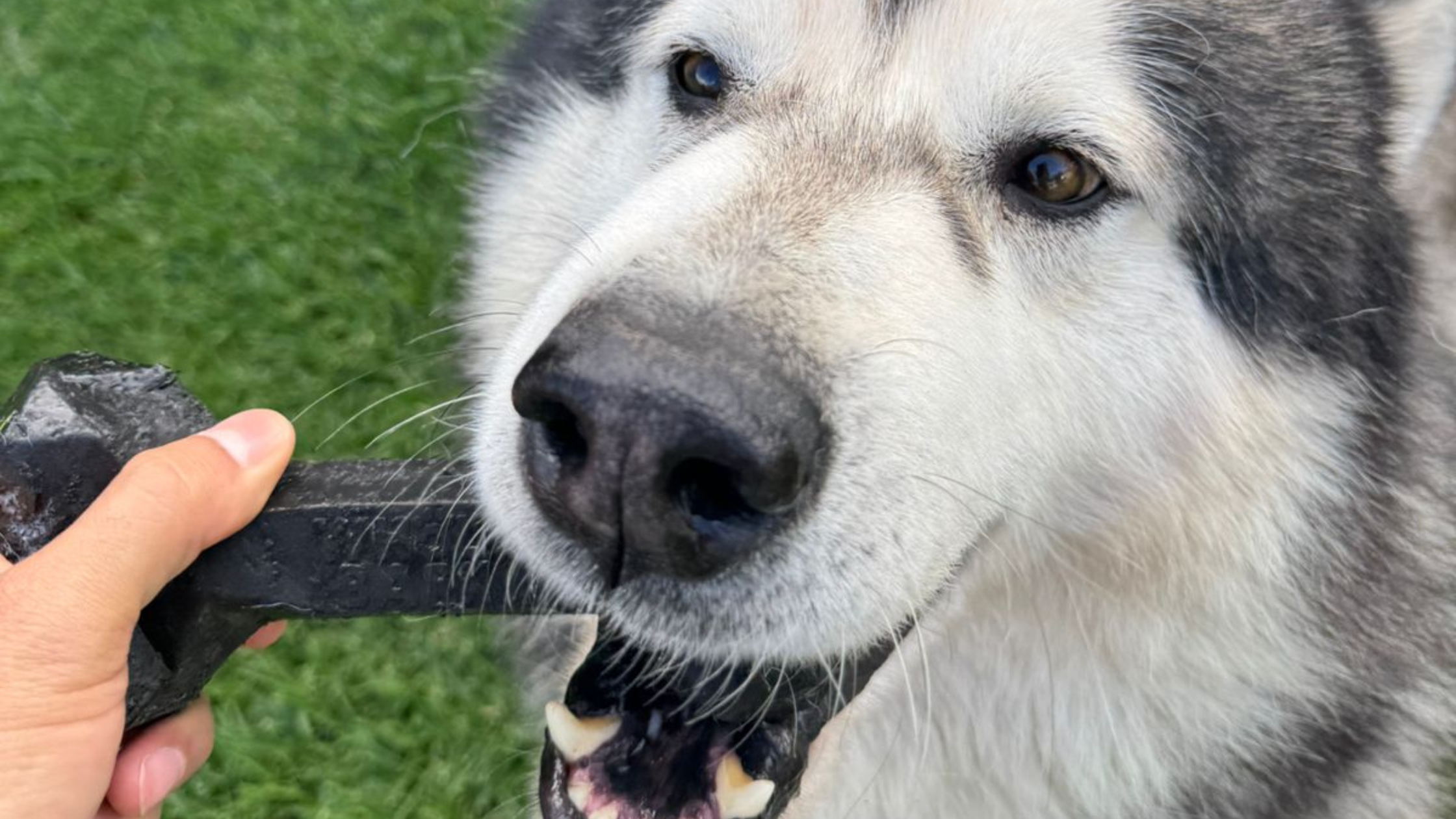
Toys and dental health: how Sensorial Bone helps maintain a healthy mouth