
 Pasteurized Natural Food
 Sensory Toys
 The most acclaimed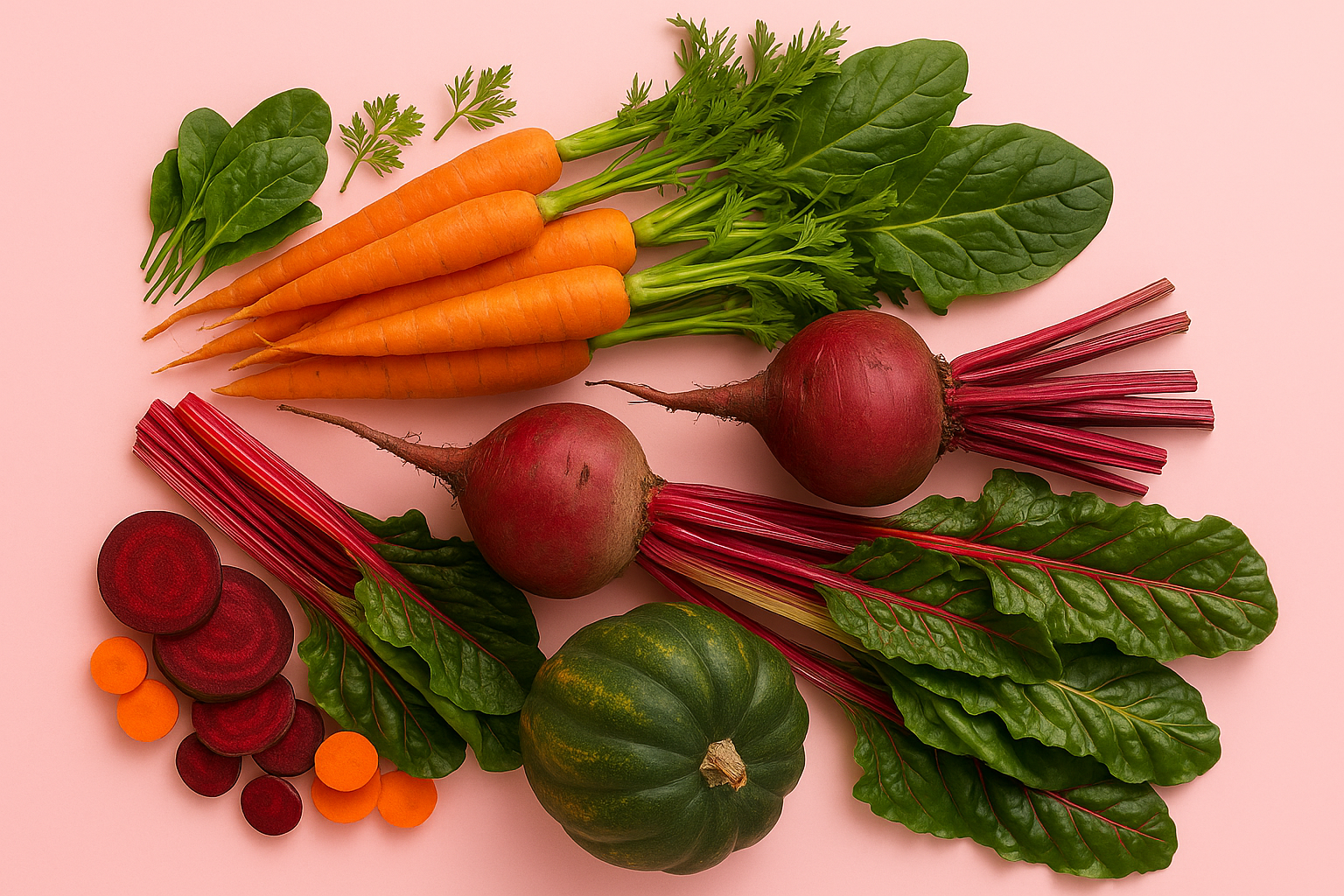
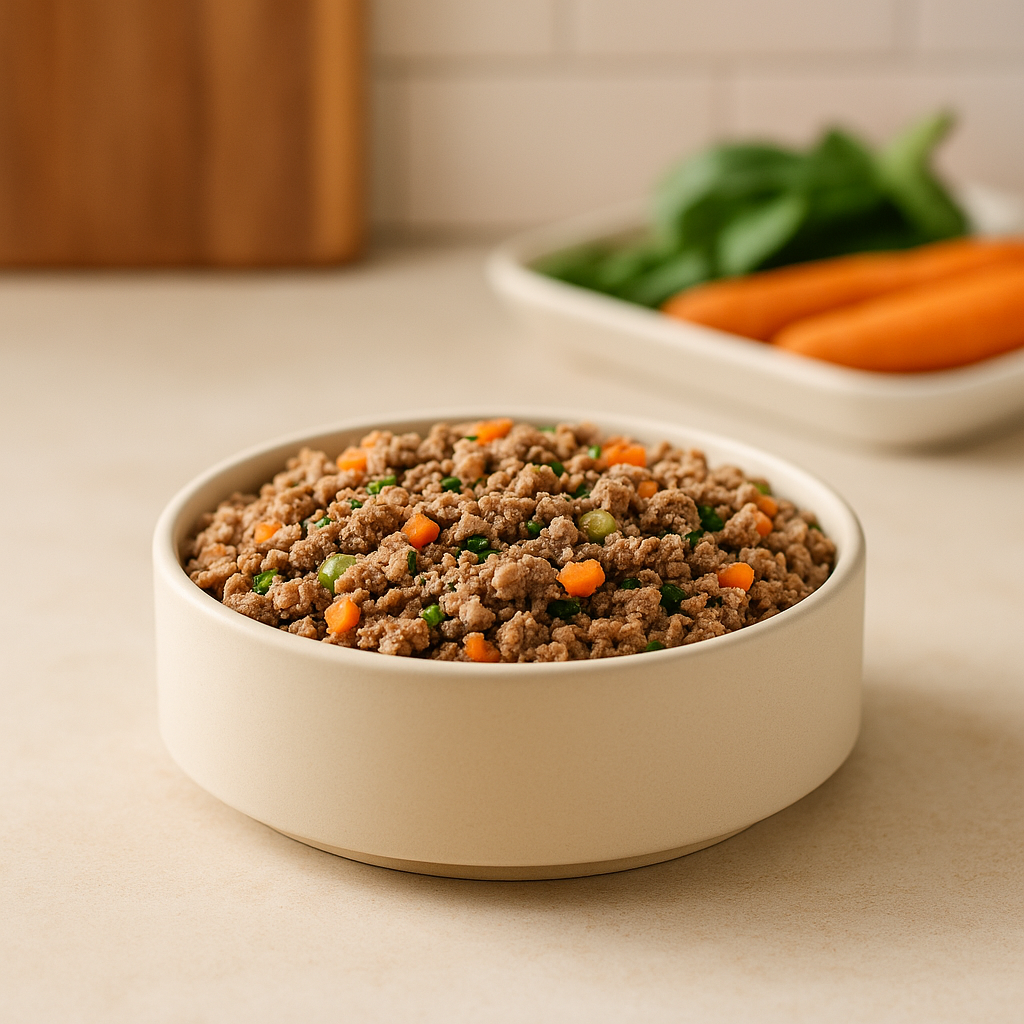
Although the BARF diet is primarily based on animal protein, vegetables play a vital role in nutritional balance. They provide fiber, antioxidants, phytonutrients, and a variety of vitamins and minerals essential for a dog's overall well-being. In this article, we explore why vegetables not only complement but also enhance the benefits of a functional raw diet.
2. Essential vitamins and minerals: Each vegetable provides a unique profile of micronutrients. Carrots, spinach, pumpkin, and broccoli contain vitamins A, C, and K, as well as calcium, potassium, magnesium, and folate—all essential for functions such as immunity, bone health, and cell regeneration.
3. Natural antioxidants and phytonutrients: Vegetables contain bioactive compounds that help neutralize free radicals, combat inflammation, and protect cells from premature aging. They are natural allies in the prevention of chronic diseases.
4. Additional hydration and food bulk: Many vegetables have a high water content, which contributes to the dog's overall hydration. They also add bulk to the meal without adding empty calories, ideal for dogs prone to weight gain.
5. Support for gut diversity: Dietary fiber acts as a prebiotic, feeding beneficial bacteria in the gut. This promotes a more balanced gut microbiota and a more resilient digestive system.
Discover our Whole Barf raw formulas with vegetables selected for their nutritional value and their specific function in canine well-being.


Share:
Carrots and beets in the BARF diet: key benefits for your dog
Proteins in the BARF diet: benefits of each type of meat for your dog